In this comprehensive guide to multithreading in Java, we’ll cover everything from basic thread creation to advanced concurrency control. You’ll learn how to work with the Thread class, Runnable and Callable interfaces, and the modern ExecutorService framework.
Multithreading in Java is a feature that enables a program to run multiple threads simultaneously, allowing tasks to execute in parallel and utilize the CPU more efficiently.
Java Concurrency is a term that covers multithreading, concurrency and parallelism on the Java platform. That includes the Java concurrency tools, problems and solutions.
In this blog, we will explore Understanding Multithreading in Java, its benefits, real-world applications, and best practices to follow when developing multithreaded programs.
This guide has walked you through Javamultithreading, covering everything from the basics to more advanced techniques. Building effective multithreaded applications hinges on mastering thread synchronization and resource management.
In this blog, we’ll explore what multithreading is, how it works in Java, and why it’s such a powerful tool for developers. Whether you’re preparing for interviews or building scalable Java applications, this guide will give you a strong foundation with practical insights and real-world code examples.
In Java, a thread can be thought of as an independent path of execution. A Java program can have multiple threads running simultaneously, performing different tasks. A process is an instance of a program in execution. Each process has its own memory space, system resources, and threads.
With multithreading, Java applications can manage several tasks at once, which improves responsiveness and efficiency. From the fundamentals of various threading models to the best practices for creating and managing threads, we’ll cover everything you need to develop high-performance, multithreaded applications. What Is Multithreading in Java?
Multithreading is a cornerstone of high-performance Java applications, enabling efficient concurrent execution of tasks. This tutorial guides you from basics to advanced multithreadingconcepts, crucial for developers aiming to enhance application performance and responsiveness. What You’ll Learn: – Core multithreading concepts and terminology.
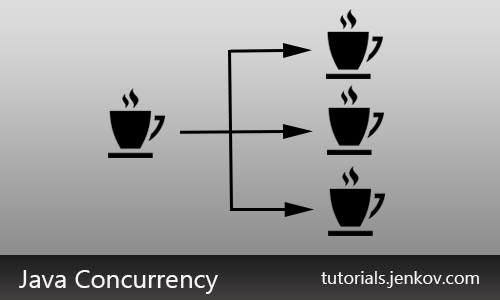 Java Concurrency is a term that covers multithreading, concurrency and parallelism on the Java platform. That includes the Java concurrency tools, problems and solutions.